
Exploring the psychology behind casino gaming Why we gamble
The Allure of Risk and Reward
The psychology of gambling is deeply entwined with the concepts of risk and reward. At its core, the thrill of gambling stems from the possibility of winning large amounts of money, which can lead to feelings of excitement and euphoria. This anticipation triggers the release of dopamine in our brains—often referred to as the “feel-good” neurotransmitter—that reinforces the desire to gamble. In many cases, players might find themselves engaging with games where they may prefer to play at casino not on gamstop, creating a unique gambling experience. The cycle of betting, winning, losing, and then betting again creates a tantalizing loop that keeps players engaged.
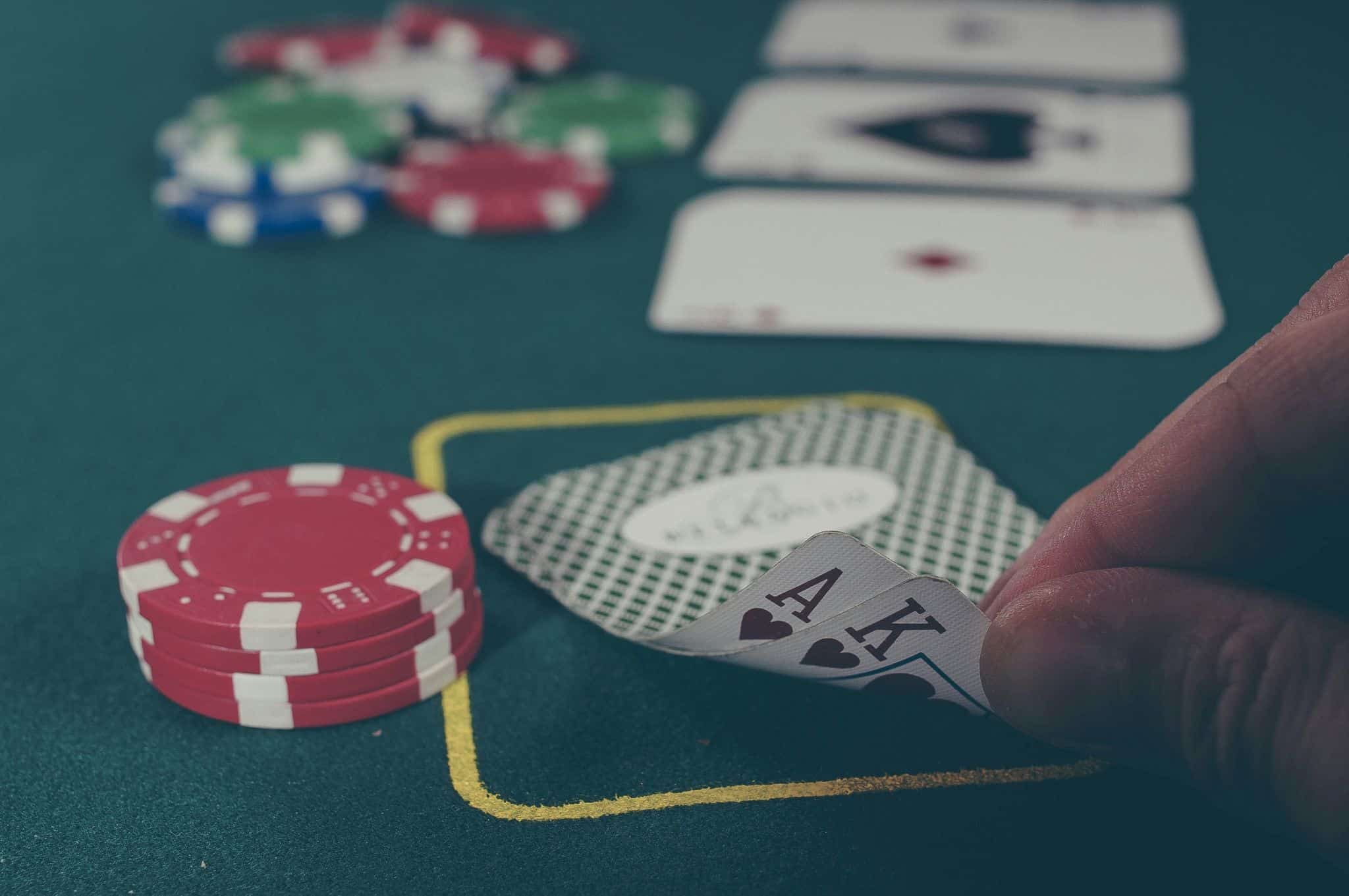
Additionally, the unpredictability of outcomes adds to this allure. Gamblers often experience what psychologists call “the near-miss effect,” where they feel a sense of excitement even after losing close to a win. This phenomenon can boost motivation and lead players to continue gambling, hoping to finally hit that big win. Such psychological mechanisms are crucial in understanding why individuals repeatedly return to casinos, despite the inherent risks.
The Social Aspect of Gambling
Gambling is not just a solitary pursuit; it is often a social activity that fosters interpersonal connections. Many people visit casinos not only for the thrill of the game but also to socialize with friends or meet new people. The atmosphere in casinos is designed to be vibrant and engaging, encouraging interaction among players. This social aspect can enhance the enjoyment of gambling, making it a communal experience rather than just a personal one.
Furthermore, the shared experience of winning or losing can create bonds between players. Celebrating a win together or commiserating over a loss can lead to stronger social ties. This sense of community can act as a motivator for some individuals, compelling them to participate in gaming activities more than they might otherwise do in isolation.
The Role of Escapism in Gambling
For many, gambling serves as a form of escapism from the stresses of everyday life. Engaging in casino gaming allows individuals to immerse themselves in a different reality, albeit temporarily. This escape can provide a much-needed distraction from personal issues, work-related stress, or feelings of boredom. The thrill of the gamble can feel like a mini-vacation, offering players a sense of adventure and excitement that may be lacking in their daily routines.
However, this reliance on gambling as a coping mechanism can have negative consequences. While it may temporarily relieve stress, it can also lead to addiction and financial difficulties. Understanding the psychological reasons behind using gambling as an escape is essential for addressing potential gambling disorders and helps in finding healthier ways to cope with life’s challenges.
The Impact of Marketing and Environment
The casino environment is meticulously crafted to enhance the gaming experience and encourage longer playtimes. From the use of bright lights and sounds to the arrangement of gaming machines, everything is designed to keep players engaged. This immersive environment can distort a player’s perception of time and money, leading to what is known as “chasing losses.” Players can easily become so absorbed in the atmosphere that they lose track of how much they have wagered or how long they have been playing.
Moreover, marketing strategies employed by casinos often target the emotions of potential gamblers. Promotions, loyalty programs, and the allure of exclusive events are designed to entice players to try their luck. By understanding the psychological triggers that encourage gambling, casinos effectively attract diverse audiences, making it essential for individuals to be aware of these tactics and their potential influence on their gaming behavior.

Concluding Thoughts on Casino Gaming Psychology
In exploring the psychology behind casino gaming, it becomes clear that various factors contribute to why individuals gamble. The mix of risk and reward, along with social components and environmental influences, paints a complex picture of this popular pastime. Whether as a form of entertainment, escape, or social engagement, understanding motivations can lead to a more informed approach to gambling.
This awareness is particularly important for those who may be prone to problematic gambling behaviors. By recognizing the psychological factors at play, individuals can make more informed choices about their gambling habits and seek help if necessary. This site is dedicated to providing resources and insights into the psychological aspects of gambling, aiming to foster a healthier approach to gaming while promoting awareness about responsible gambling practices.